Creamy Lobster and Seared Scallop Seafood Chowder
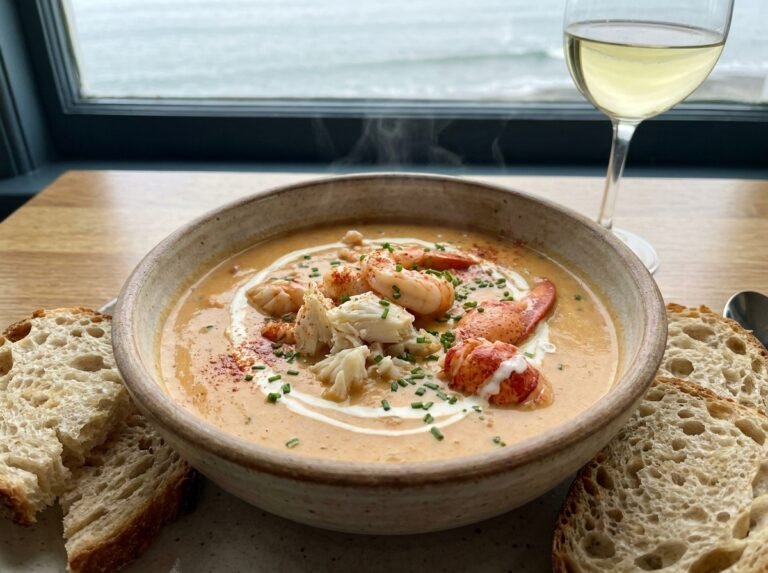
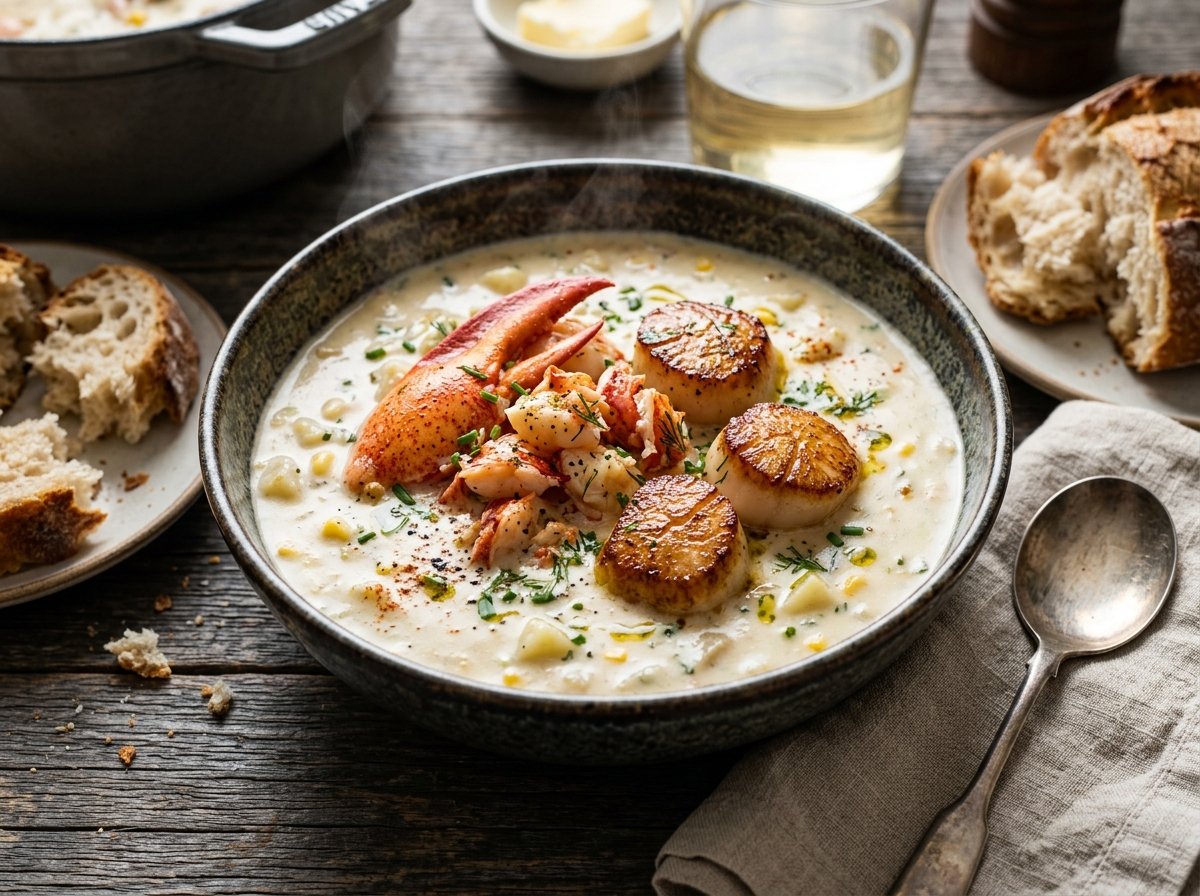
There are comforting soups, and then there are soups that make dinner feel like a special occasion. Creamy lobster and seared scallop seafood chowder belongs firmly in the second category. It combines sweet, tender lobster with beautifully browned scallops, potatoes, aromatic vegetables, herbs, and a velvety cream-based broth. The contrast is what makes every spoonful interesting: the chowder itself is rich and silky, while the seared scallops bring a golden crust and delicate sweetness that stands out against the creamy base.
This is the kind of recipe that looks complicated when you see it on a restaurant menu, yet the basic technique is surprisingly approachable at home. The key is to treat the seafood gently and build the chowder in stages. The vegetables create the aromatic foundation, the stock provides depth, potatoes give the soup body, and cream brings everything together. The scallops are cooked separately so they can develop that gorgeous caramelized exterior rather than becoming lost in the broth.
The result is more than an ordinary seafood soup. It is a luxurious lobster chowder with seared scallops that works beautifully as an elegant starter, a holiday centerpiece, or a cozy dinner when you simply want something indulgent. Add warm crusty bread and perhaps a crisp green salad, and you have a meal that feels complete without requiring a dozen complicated side dishes.
Why This Seafood Chowder Is So Special
What makes this chowder stand out is the way several textures and flavors work together. Lobster has a naturally sweet, delicate flavor, while scallops become almost nutty and buttery when properly seared. Potatoes add softness and substance, and the cream creates a smooth backdrop that lets the seafood remain the star. Garlic, onion, celery, thyme, and a touch of paprika prevent the chowder from tasting flat or overwhelmingly rich.
Another advantage is that you can control the richness yourself. Use half-and-half for a lighter chowder or heavy cream for a more decadent version. A splash of dry white wine can add brightness, while seafood stock intensifies the ocean-fresh character. You can even add a small amount of clam juice if you want a deeper seafood flavor without adding more seafood.
A Rich Broth With Restaurant-Style Flavor
The secret to a flavorful chowder is not simply adding more cream. In fact, cream should come toward the end. The foundation needs to be flavorful before the dairy is introduced. Sautéing the onion, celery, and garlic in butter allows their natural sweetness to develop, while briefly cooking the tomato paste creates a deeper savory note.
A good seafood stock makes an enormous difference. If you have homemade lobster shells or shrimp shells available, you can use them to create a quick stock, but a quality store-bought seafood stock is perfectly practical. The goal is to create a broth with enough character that the cream enhances it instead of hiding it.
Once the potatoes simmer until tender, they release a little starch into the broth, naturally helping the chowder become thicker. You do not need an enormous amount of flour or cornstarch. This keeps the final texture creamy rather than gluey.
Ingredients You’ll Need
For approximately 6 servings, gather:
- 1 pound cooked lobster meat, roughly chopped
- 1 pound large sea scallops
- 4 cups seafood or lobster stock
- 2 cups potatoes, peeled and diced
- 1½ cups heavy cream or half-and-half
- 4 slices bacon, finely chopped
- 1 medium yellow onion, diced
- 2 celery stalks, finely diced
- 2 garlic cloves, minced
- 2 tablespoons butter
- 2 tablespoons tomato paste
- ½ cup dry white wine, optional
- 1 teaspoon fresh thyme leaves
- ½ teaspoon smoked paprika
- 1 bay leaf
- ½ teaspoon salt, plus more to taste
- ¼ teaspoon black pepper
- 2 tablespoons chopped fresh parsley
- 1 tablespoon olive oil, for searing scallops
- Lemon wedges, for serving
You can adjust the quantities depending on how thick or seafood-heavy you want your chowder. If lobster is especially expensive where you live, reduce the lobster slightly and add shrimp or crab. If scallops are unavailable, the chowder remains delicious without them, although you will miss the distinctive caramelized topping.
Choosing Lobster, Scallops, and Fresh Seafood
For lobster, cooked lobster meat is convenient and eliminates the need to cook and shell whole lobsters. If you prefer to start with live or whole lobster, reserve the shells and use them to enrich your seafood stock. That extra step takes more time but can produce exceptional flavor.
For scallops, look for dry-packed sea scallops whenever possible. Dry scallops have less excess moisture and generally sear much more effectively than wet-packed scallops. Fresh scallops should smell clean and mildly briny rather than strongly fishy.
Pat scallops thoroughly dry with paper towels before seasoning. Moisture is the enemy of browning. If the surface is wet, the scallops will spend their time releasing water into the pan instead of developing a deep golden crust.
How to Make Creamy Lobster and Seared Scallop Seafood Chowder
Build the Flavorful Chowder Base
Begin by placing a large heavy-bottomed pot or Dutch oven over medium heat. Add the chopped bacon and cook until crisp and golden. Transfer the bacon to a paper towel-lined plate, leaving approximately 1 tablespoon of the rendered fat in the pot.
Add the butter, followed by the onion and celery. Cook for about 5–7 minutes, stirring occasionally, until the vegetables soften. Add the garlic and cook for another 30 seconds. Stir in the tomato paste and paprika and cook for about 1 minute.
If using white wine, pour it into the pot now. Scrape the bottom gently with a wooden spoon to loosen any flavorful browned pieces. Let the wine simmer for 2–3 minutes so the alcohol cooks away and the liquid reduces slightly.
Pour in the seafood stock. Add the diced potatoes, thyme, and bay leaf. Bring everything to a gentle simmer and cook for approximately 12–15 minutes, or until the potatoes are fork-tender.
The broth should already smell deeply savory before you add the cream or seafood. Taste it at this stage and adjust the salt if necessary. Remember that bacon and seafood stock can already contain a fair amount of sodium, so add salt gradually.
Add the Lobster and Cream
Once the potatoes are tender, reduce the heat to low. Pour in the heavy cream or half-and-half, stirring gently. Avoid bringing the chowder to a hard boil after adding the dairy because high heat can cause the cream to separate or develop a less pleasant texture.
Add the chopped lobster meat and half of the cooked bacon. Simmer gently for approximately 3–5 minutes, just until the lobster is heated through. Because the lobster is already cooked, you do not want to simmer it for a long time.
Remove the bay leaf and taste the chowder. Add black pepper, additional salt if necessary, and a little more thyme or paprika if desired. At this point, the soup should be creamy but still fluid enough to pour easily into bowls. If it seems too thick, add a little extra stock.
Sear the Scallops
While the chowder is warming, prepare the scallops. Pat them extremely dry, then season both sides with salt and black pepper.
Heat a large skillet over medium-high to high heat. Add the olive oil and allow it to become hot but not smoking aggressively. Carefully place the scallops into the pan, leaving space between them. If the pan is crowded, cook in batches.
Allow the scallops to remain undisturbed for approximately 2 minutes. This is where patience matters. Do not constantly move them around. Once the underside is deeply golden brown, flip them and cook the second side for approximately 1–2 minutes, depending on thickness.
The goal is a beautiful golden crust with a tender, slightly translucent center. Remove them from the heat immediately when done.
Ladle the chowder into bowls and place one or two seared scallops on top of each serving. Sprinkle with parsley and the remaining crispy bacon. A small squeeze of fresh lemon can brighten the entire bowl.
Tips for Perfect Seafood Chowder
One of the biggest mistakes people make with seafood chowder is cooking the seafood for too long. Lobster and scallops are delicate ingredients, and neither benefits from prolonged simmering. Treat the chowder base as one component and the seafood as another. Build the soup first, then introduce the lobster near the end and cook the scallops separately.
Another useful tip is to avoid making the chowder excessively thick. It is tempting to add lots of flour because you expect chowder to be almost stew-like, but a seafood chowder should still have enough broth to move naturally around the seafood. The potatoes and cream provide plenty of body.
Season gradually. Seafood stock, bacon, and lobster all bring their own flavors, and too much salt can quickly overwhelm the sweetness of the seafood. Lemon juice is particularly useful at the end because acidity can make rich flavors feel more balanced without requiring additional salt.
How to Get Golden-Brown Scallops
Getting a restaurant-style crust on scallops is mostly about three things: dry scallops, a hot pan, and patience. Pat them thoroughly before cooking. Season immediately before they enter the pan. Then resist the urge to turn them repeatedly.
If the scallops stick slightly when you first try to move them, give them another 20–30 seconds. A properly seared scallop often releases naturally once its crust has developed. Use a thin spatula to turn them carefully.
Do not pour the chowder over the scallops while they are still cooking. Keeping the scallops separate until serving preserves their crisp exterior and prevents the crust from becoming soft.
What to Serve With Seafood Chowder
This chowder is rich enough to be a complete meal, so side dishes should ideally provide contrast rather than compete with it. Crusty sourdough bread is an obvious choice because it gives you something to soak up the creamy broth. A simple baguette brushed with olive oil and toasted until golden is equally good.
For something lighter, serve the chowder with a crisp green salad dressed with lemon vinaigrette. The acidity and fresh vegetables provide a refreshing counterpoint to the creamy soup.
Roasted vegetables can also work, particularly asparagus, green beans, or Brussels sprouts. If you are serving the chowder as a starter, keep the side dishes simple because the lobster and scallops already make the soup feel luxurious.
Variations and Ingredient Swaps
There is plenty of room to personalize this recipe. Add peeled shrimp during the final few minutes of cooking if you want an even more substantial seafood chowder. Lump crab meat can be folded in alongside the lobster for another layer of sweetness.
For a slightly lighter version, substitute half-and-half for heavy cream. You can also replace some of the potatoes with cauliflower, although the traditional potato version gives the chowder a particularly comforting texture.
If you dislike bacon, simply leave it out and sauté the vegetables in butter and olive oil. For a smoky flavor without pork, increase the smoked paprika slightly. A small pinch of cayenne can also introduce gentle heat without overpowering the seafood.
You can make the chowder gluten-free simply by avoiding flour-based thickeners and checking that your stock and other packaged ingredients are certified gluten-free when necessary.
How to Store and Reheat Chowder
Leftover chowder can be refrigerated in an airtight container for approximately 2–3 days. Because the recipe contains seafood and dairy, cool it promptly and refrigerate it rather than leaving it at room temperature for an extended period.
Reheat the chowder gently over low to medium heat. Avoid boiling. High heat can cause the cream to separate and can make the seafood tough. If the soup has thickened considerably in the refrigerator, add a small splash of seafood stock or milk while reheating.
For the best texture, consider keeping the seared scallops separate if you know you will have leftovers. Reheat them briefly in a skillet rather than simmering them in the chowder. This helps preserve some of their golden crust.
Creamy Lobster and Seared Scallop Seafood Chowder Recipe Card
Prep time: 20 minutes
Cook time: 35 minutes
Total time: 55 minutes
Servings: 6
Ingredients
- 1 pound cooked lobster meat
- 1 pound large sea scallops
- 4 cups seafood or lobster stock
- 2 cups diced potatoes
- 1½ cups heavy cream or half-and-half
- 4 slices bacon, chopped
- 1 yellow onion, diced
- 2 celery stalks, diced
- 2 garlic cloves, minced
- 2 tablespoons butter
- 2 tablespoons tomato paste
- ½ cup dry white wine, optional
- 1 teaspoon fresh thyme
- ½ teaspoon smoked paprika
- 1 bay leaf
- Salt and black pepper, to taste
- 2 tablespoons fresh parsley
- 1 tablespoon olive oil
- Lemon wedges
Instructions
- Cook bacon in a large pot until crisp. Remove and reserve.
- Leave about 1 tablespoon bacon fat in the pot and add butter.
- Sauté onion and celery for 5–7 minutes.
- Add garlic, tomato paste, and smoked paprika. Cook for 1 minute.
- Add white wine if using and simmer for 2–3 minutes.
- Pour in seafood stock and add potatoes, thyme, and bay leaf.
- Simmer for 12–15 minutes, until potatoes are tender.
- Reduce heat and stir in cream.
- Add lobster and half the cooked bacon. Warm gently for 3–5 minutes.
- Remove the bay leaf and adjust seasoning.
- Pat scallops completely dry and season with salt and pepper.
- Sear scallops in hot olive oil for about 2 minutes per side, or until deeply golden and cooked to your preferred doneness.
- Ladle chowder into bowls and top each serving with seared scallops.
- Garnish with parsley, crispy bacon, and a squeeze of lemon.
Frequently Asked Questions
Can I use frozen lobster meat?
Yes. Frozen lobster meat can be an excellent option when fresh lobster is unavailable. Thaw it completely in the refrigerator, drain any excess liquid, and add it toward the end of cooking so it only needs to warm through.
Can I make this chowder without bacon?
Absolutely. Bacon adds smoky, salty depth, but it is not essential. Replace it with a little additional butter or olive oil and consider adding a small amount of smoked paprika for a similar savory character.
What is the best potato for chowder?
Yukon Gold potatoes are an excellent choice because they are creamy, flavorful, and hold their shape reasonably well. Russet potatoes can also work and tend to release more starch, producing a thicker chowder.
Can I add shrimp or crab?
Yes. Shrimp can be added during the final few minutes of simmering, while cooked crab meat should be folded in near the end just like the lobster. Avoid prolonged cooking so the seafood stays tender.
Can I prepare the chowder ahead of time?
You can prepare the chowder base several hours or a day ahead and refrigerate it safely. Reheat it gently, then add the lobster and prepare the scallops shortly before serving. This approach is particularly useful when serving the dish to guests.
Conclusion
Creamy lobster and seared scallop seafood chowder brings together everything you want from a special seafood dinner: sweet lobster, tender potatoes, a velvety broth, aromatic herbs, crispy bacon, and scallops with a deeply golden crust. The trick is not to rush the process. Build the chowder base slowly enough for the vegetables and aromatics to develop flavor, then keep the seafood cooking time short and gentle.
The seared scallops are what give this chowder its extra-special finish. Their caramelized edges provide a striking contrast to the creamy soup underneath, while fresh parsley and lemon keep the dish from feeling too heavy. Serve it with warm crusty bread and a crisp salad, and you have an elegant meal that feels worthy of a celebration while remaining completely achievable in a home kitchen.
The beauty of this recipe is that it can also become your own signature seafood chowder. Add shrimp, fold in crab, increase the herbs, introduce a little cayenne, or swap heavy cream for half-and-half. Once you understand the basic technique, the possibilities are wide open.